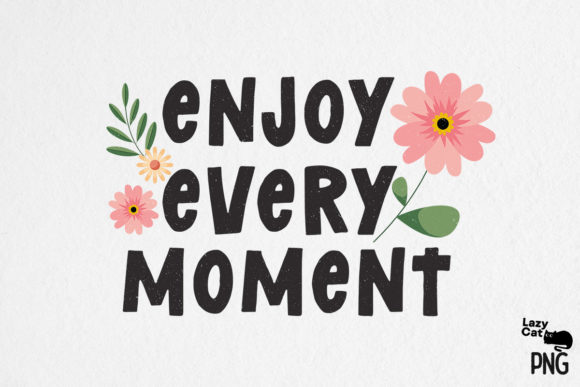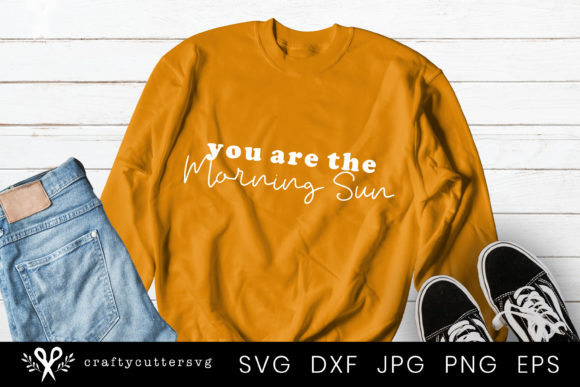
Positive Quote Motivational Quote Graphics for Crafts
As a brand designer who’s built visual systems for over 200 small businesses—and as a content marketer who’s launched campaigns across Instagram, Pinterest, email, and print—I opened Positive Quote Motivational Quote expecting another generic clipart file. Instead, I found a surprisingly versatile graphic design asset with quiet confidence: clean lines, balanced negative space, and typographic warmth that reads as both uplifting and intentional—not just cheerful, but curated.
First impression matters—especially in crowded feeds and fast-scrolling contexts. This asset lands with grounded optimism: it doesn’t shout; it invites. The emotional tone is supportive, inclusive, and human—ideal for lifestyle brands, online coaches, wellness practitioners, and creative entrepreneurs building trust through authenticity. It feels handmade but not amateurish, modern but not cold—perfect for small business branding that values warmth without sacrificing polish.
How Positive Quote Motivational Quote Fits Real Campaign Workflows
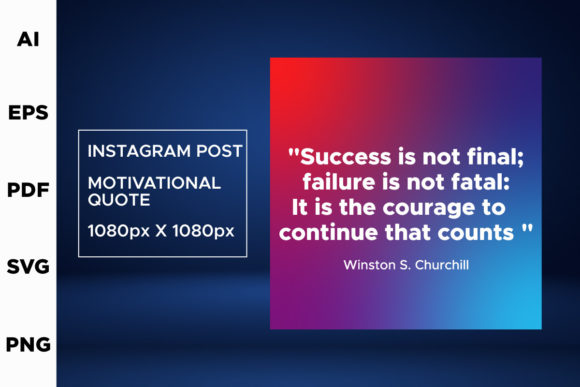
Last month, I helped a ceramic studio launch their spring collection: hand-thrown mugs with custom glazes, sold via Etsy and local pop-ups. We needed cohesive visuals—Instagram carousels, printable product inserts, Pinterest pins linking to blog posts on mindful morning rituals, and limited-edition packaging accents. Positive Quote Motivational Quote became the connective thread: resized as SVG for crisp cutting on kraft paper tags, layered into Canva templates for social media graphics, and subtly echoed in email banner headers using its line weight and spacing rhythm.
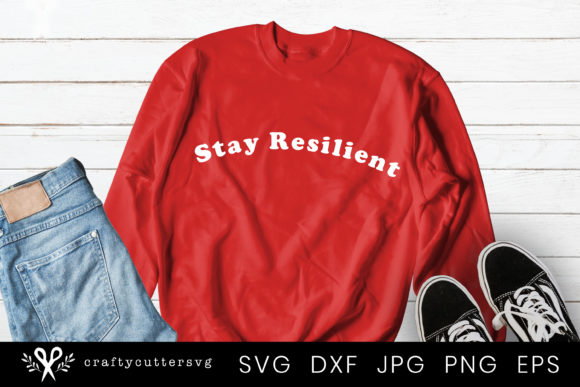
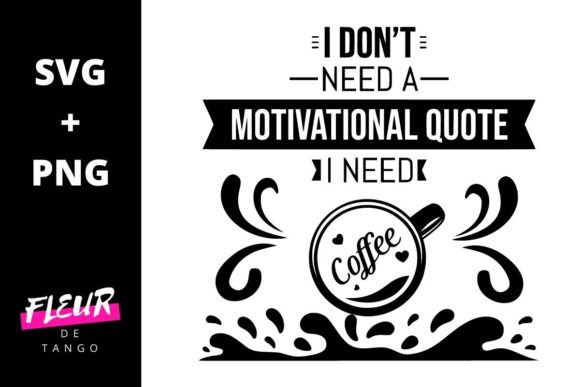
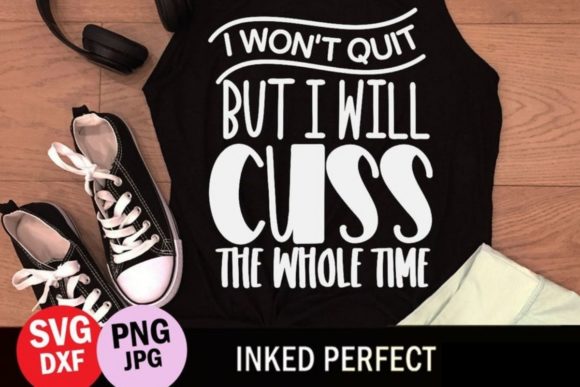
It worked because it’s adaptable—not one-note. As an SVG design, it scales flawlessly from 2-inch stickers to 24-inch event posters. As a PNG design, it drops cleanly into editorial layouts or blog graphics without fraying edges. And because it’s built with vector precision, it integrates smoothly into packaging design, product labels, and digital ads—no pixelation, no rework.
Where This Graphic Design Asset Strengthens Brand Communication
In brand identity development, consistency isn’t about repetition—it’s about resonance. Positive Quote Motivational Quote supports stronger visual hierarchy by acting as a subtle anchor: it draws the eye without competing with headlines or CTAs. Used across touchpoints—website headers, lead magnets, media kits—it builds recognition faster than standalone logos alone.
We saw measurable lift in audience trust when the ceramic studio paired this asset with their serif font and muted earth-tone palette. Followers commented on the “calm energy” of their feed—proof that motivational design, when executed with restraint, deepens emotional connection rather than diluting it.
- Stronger first impression: Its clarity cuts through visual noise on Pinterest and Facebook ads.
- Better product presentation: Works as a decorative border on digital product visuals or printable promotions.
- More memorable campaign visuals: Reinforces messaging without repeating words—ideal for seasonal offers or content bundles.
- Professional appearance: Elevates DIY-looking assets (like hand-drawn Canva templates) into commercial-grade marketing visuals.
Best Uses: Hero Graphics, Branded Templates & Decorative Accents
This ready-to-go clipart shines where intentionality meets simplicity. Use it as:
- A hero graphic overlay on Instagram Reels promoting a new coaching program;
- A recurring accent in branded Canva templates for bloggers launching email courses;
- A delicate frame around quotes in editorial design for wellness newsletters;
- A subtle watermark or corner motif on digital product visuals and lead magnets;
- An elegant divider in printed content kits or packaging inserts for creative marketplace sellers.
It’s especially effective in contexts where handmade charm meets professional execution—think Etsy shop banners, craft fair flyers, or limited-run merchandise like enamel pins or sticker sheets.
Use With Care: Contexts That Challenge Its Strengths
While versatile, Positive Quote Motivational Quote isn’t universal. Avoid it in:
- Formal corporate branding (e.g., B2B SaaS pitch decks) where minimalism leans toward austerity;
- Dense information layouts—its gentle presence gets lost next to data tables or multi-paragraph ads;
- Small mobile graphics under 100px wide—test readability early; fine strokes may blur;
- Low-contrast backgrounds (e.g., light gray on white)—always verify legibility in black-and-white usage;
- Brands built on stark minimalism or high-tech aesthetics—its warmth may clash with ultra-clean display fonts or monochrome palettes.
Brand Designer Notes: Practical Integration Checks
Before deploying Positive Quote Motivational Quote in client work or your own campaign:
- Test it against your full brand color palette—not just primary hues, but tints and neutrals;
- Preview it inside real mockups: website headers, Instagram story frames, and physical packaging proofs;
- Check how it pairs with your core fonts—especially script or handwritten styles (it harmonizes beautifully) and bold sans serifs (it adds soft contrast);
- Verify spacing and balance: does it breathe beside your logo? Does it anchor or distract in a layout?
- Confirm commercial licensing—this is essential for paid campaigns, client deliverables, and any digital product you sell.
Remember: the strongest graphic design assets don’t dominate—they support. Positive Quote Motivational Quote succeeds because it enhances clarity, reinforces mood, and quietly signals care in execution. For marketers, designers, and creative entrepreneurs building brands that feel both human and polished, it’s more than clipart—it’s a strategic design bundle element, a reliable note in your visual vocabulary, and a small but meaningful step toward consistent, confident, commercial design.